


A ‘Super El Niño’ is set to make 2027 one of the hottest years on record, with temperatures potentially exceeding 40°C again in the UK, according to scientists reported in The Times. Our cities and towns must be prepared to help cool neighbourhoods, provide much needed shade and support healthier urban environments as climate pressures continue to intensify. At the same time, El Niño events can also bring periods of warmer, wetter winters, increasing pressure on already constrained drainage infrastructure and urban landscapes.
As the UK population rushes to buy fans and ice cream to stay cool next summer, there are many practical ways our urban environments can be designed to reduce the impacts of extreme heat. Integrating trees, planting and nature-based sustainable drainage systems (SuDS) into streets, public spaces and developments can help tackle the Urban Heat Island effect while improving biodiversity, managing rainfall and creating more resilient places to live.
What is a ‘Super El Niño’?
El Niño is a naturally occurring climate pattern caused by warmer-than-average sea surface temperatures in the Pacific Ocean. These changes can influence weather patterns across the world, often increasing the likelihood of extreme temperatures, storms, droughts and intense rainfall events.
A ‘Super El Niño’ is an especially intense event, capable of amplifying climate extremes globally. For the UK, this can mean hotter summers, prolonged dry periods and warmer, wetter winters. Combined with increasing urbanisation and climate change, these events place additional pressure on towns and cities that are already vulnerable to overheating, flash flooding and environmental stress.
What can we do to help cool our urban areas down?
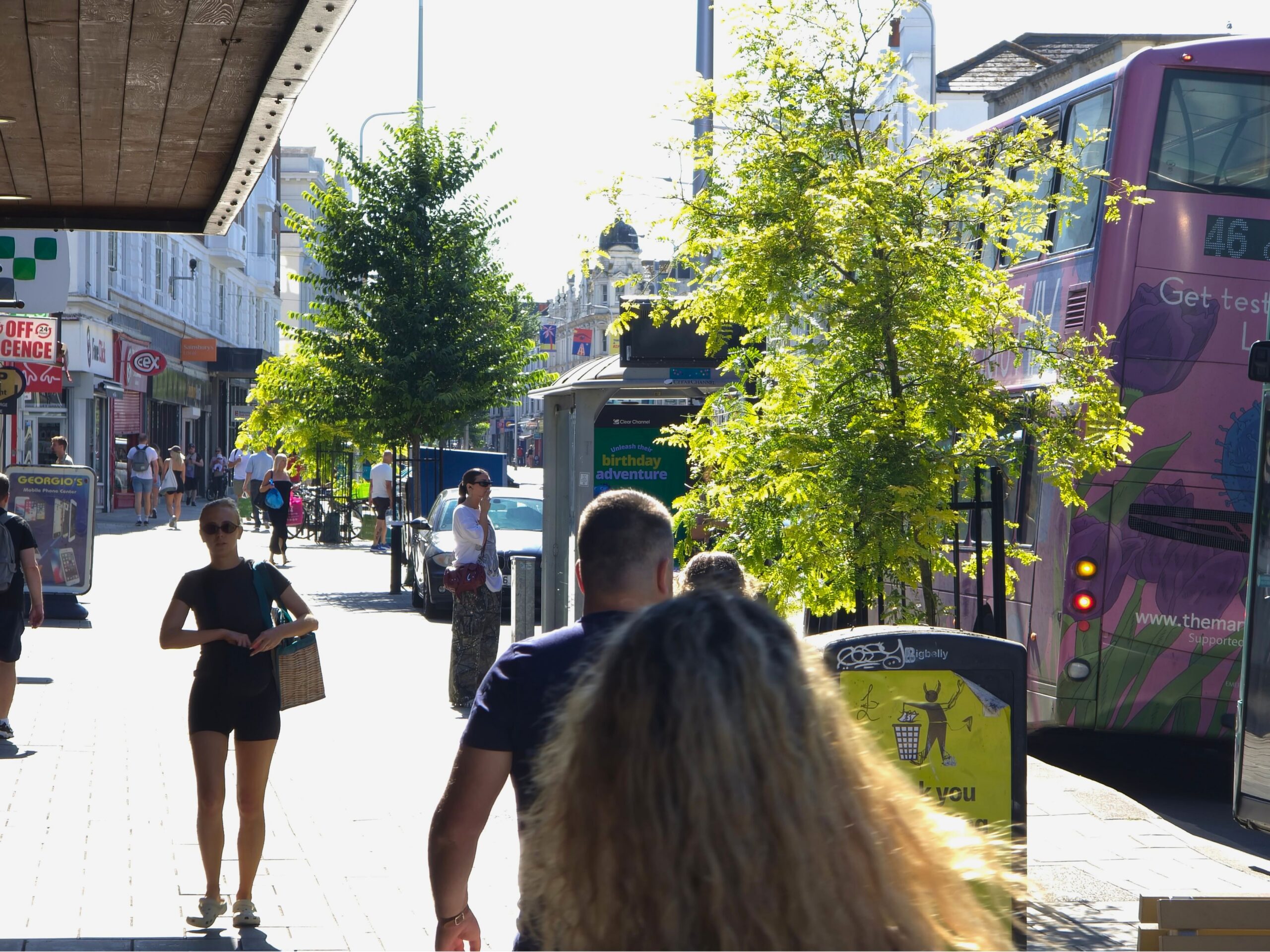
As we experienced during the 2022 heatwave, people naturally seek shade when temperatures rise. We walk on the cooler side of the street, avoid exposed public spaces and close blinds to reduce solar gain inside buildings. But what happens when there is little or no shade available?
Planning cities and towns so that trees and planting are a regular part of the urban landscape can make a significant difference to how comfortable and resilient our streets become during periods of extreme heat. Trees help cool the air through evapotranspiration, intercept solar radiation and reduce surrounding surface temperatures. In heavily paved environments, this cooling effect becomes increasingly important.
Urban greening also supports biodiversity, improves air quality and contributes to healthier, more attractive places for people to spend time. However, trees can only deliver these long-term benefits if they are supported by the right below-ground conditions. In many urban environments, compacted soils, restricted rooting volumes and lack of water availability limit healthy growth. This is why engineered tree pit systems and integrated blue-green infrastructure are becoming increasingly important in climate resilient city design.

How Trees and Nature-Based SuDS Help Tackle Heat and Rain
Nature-based SuDS are designed to manage rainfall where it lands, slowing, storing and treating stormwater before it enters conventional drainage networks. Rather than viewing rainfall as waste, these systems allow water to become a resource within the urban environment.
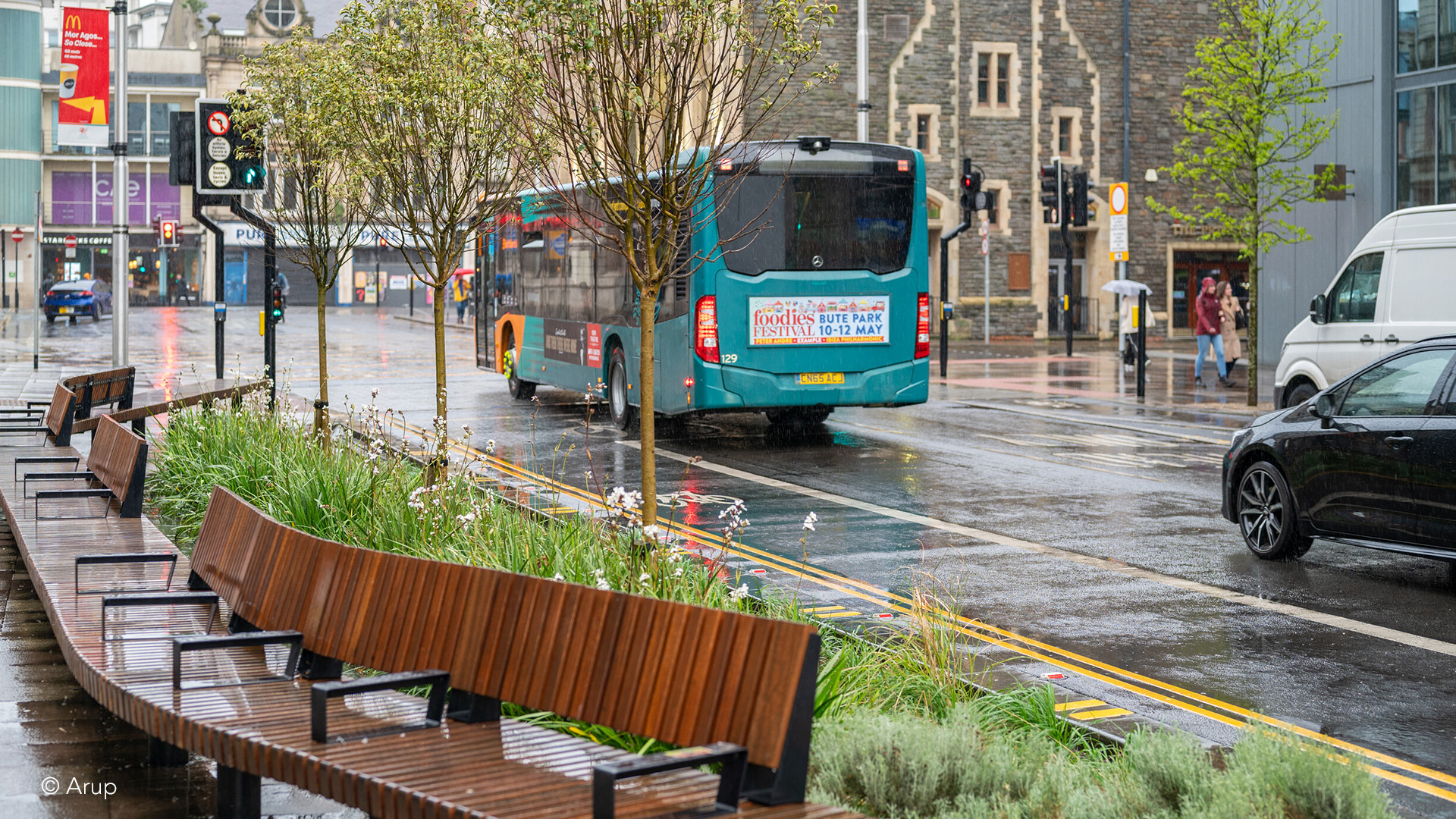
Features such as raingardens, bioretention tree pits, permeable paving and modular SuDS planters can help reduce flood risk while simultaneously supporting urban cooling and greener streets. During heavy rainfall events associated with El Niño conditions, these systems help reduce peak flows entering sewers, alleviating pressure on drainage infrastructure and reducing the likelihood of surface water flooding.
At the same time, the vegetation and soils within nature-based SuDS contribute to urban cooling. Trees and planting supported by high-performance growing media and integrated water management systems are better able to withstand periods of drought and heat stress. Retaining moisture within the landscape also helps maintain healthier urban ecosystems during prolonged warm and dry weather.
Importantly, these systems deliver multiple benefits from the same piece of infrastructure. Streets and public spaces can simultaneously provide stormwater management, urban cooling, biodiversity enhancement and improved amenity value without relying solely on conventional grey infrastructure.
Designing Cities for Climate Resilience
Preparing for future El Niño and ‘Super El Niño’ events require a long-term approach to how towns and cities are designed. Urban greening and nature-based SuDS should be considered essential infrastructure for climate adaptation.
The earlier surface water management, tree planting and blue-green infrastructure are considered within projects, the greater the opportunity to create resilient urban environments capable of responding to both extreme heat and intense rainfall.
As climate events become more frequent and severe, the need for integrated, landscape-led approaches will only continue to grow. By designing streets and developments that work with water and support healthy urban greening, our towns and cities can become cooler, more resilient and better prepared for the climate challenges ahead.
