


Planting a tree is often framed as an act of optimism, a gesture toward a greener, more hopeful future. But with blossom trees, the thinking starts earlier: choosing the right tree, the right place, and understanding what it will bring to a space over time.
In urban environments, that early thinking is critical. Space is limited, conditions are often challenging, and trees need to perform within engineered systems. Selecting species like blossom trees is only part of the process; ensuring they have the right conditions to establish and thrive is what allows that long-term value to be realised.
Because unlike many trees that blend into the background, blossom trees are planted with intention. They’re chosen not just for how they grow, but for what they give, marking the seasons, supporting local biodiversity, lifting everyday surroundings and creating moments people stop to notice.
And the balance is part of their appeal. They offer all of this while staying resilient, adaptable, and relatively low maintenance once established.
Blossom trees become part of the landscape and shape how a place is experienced, year after year.
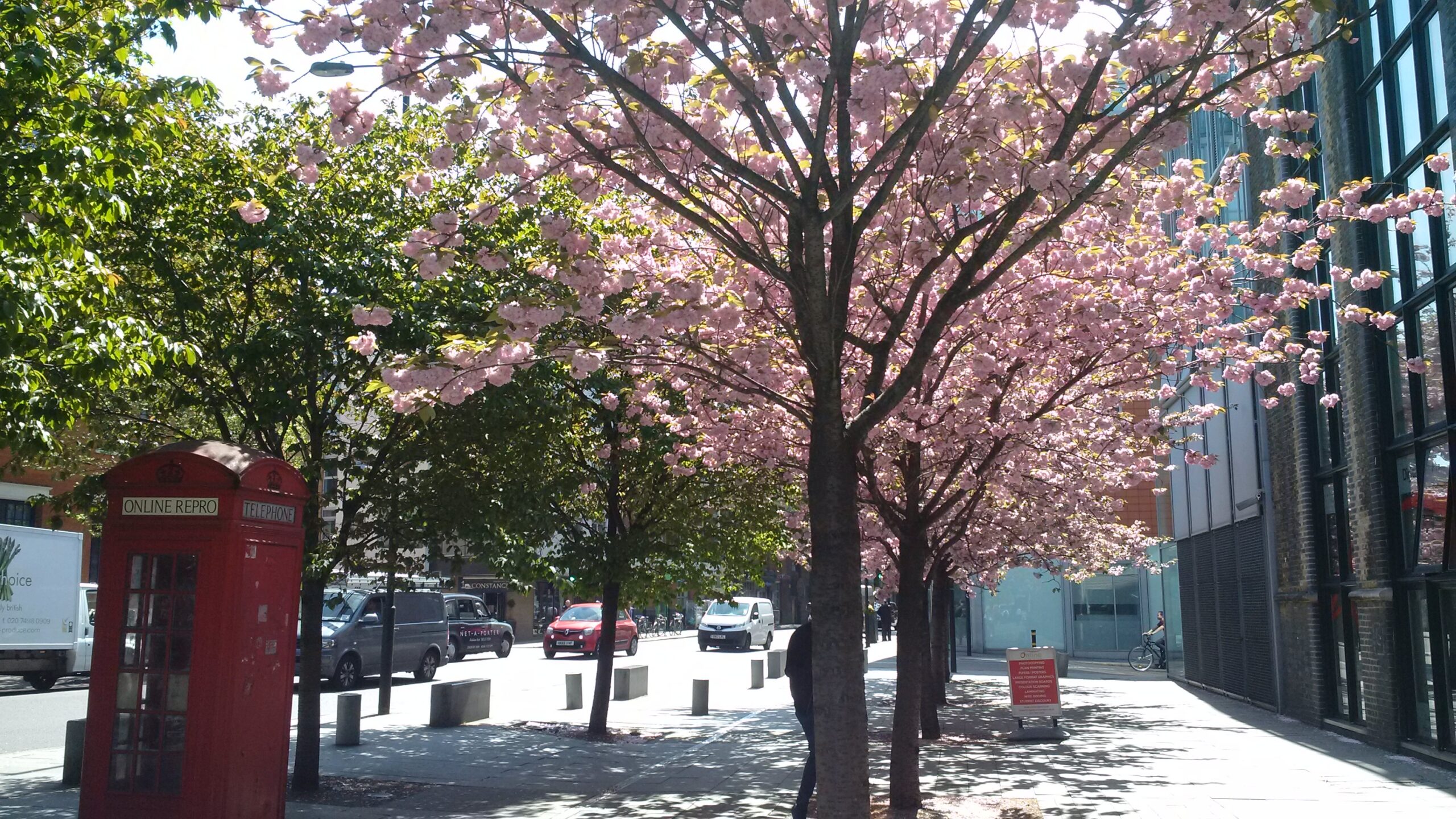
More Than Just Aesthetic
It’s easy to see blossom trees as purely ornamental. And yes, their visual impact is undeniable. But their value runs deeper, ecologically, emotionally and culturally. For specifiers and designers, they offer more than aesthetics; they help create places people connect with, return to, and remember. In developments where long-term value, wellbeing, and identity matter, blossom trees become a practical as well as a visual choice.
For landscape architects and specifiers, this makes blossom trees a versatile tool within a wider planting strategy. They can be used to define routes, soften hardscapes, or create focal points within schemes, while still aligning with broader goals around sustainability, biodiversity, and user experience:
- They highlight seasonal change: Blossom trees make the shift from winter to spring visible in the built environment
- They support biodiversity: Flowering trees provide early-season nectar and pollen for pollinators emerging from winter dormancy, helping to sustain local ecosystems.
- They encourage mindfulness: Their brief bloom catches people’s attention, creating moments to pause and take notice in busy urban spaces.
- They bring people together: Whether it’s a century old hanami gathering (the Japanese tradition of gathering to view cherry blossoms) or a quiet walk home through a local street, blossom trees become part of how people experience streets, spaces and developments over time.
Value That Extends Beyond the Moment
Blossom trees don’t just shape how a place looks, they influence how it’s experienced, and even how it’s valued.
Well-placed ornamental trees, including cherry blossoms, are known to enhance property value. Their seasonal display adds character and desirability, creating environments that feel cared for, distinctive, and alive.
Over time, that sense of character becomes part of a place’s identity. Developments that feel thought through and memorable tend to stand out, whether in attracting visitors, supporting tenants, or maintaining long-term appeal. In this way, blossom trees contribute not just to first impressions, but to how a place performs and is perceived well beyond completion.
In practice, this can support stronger outcomes across a scheme, from increased footfall in public spaces to improve perceptions of quality in residential and commercial developments. Trees that establish well and continue to perform over time contribute to places that not only look good at completion but continue to add value long after handover.
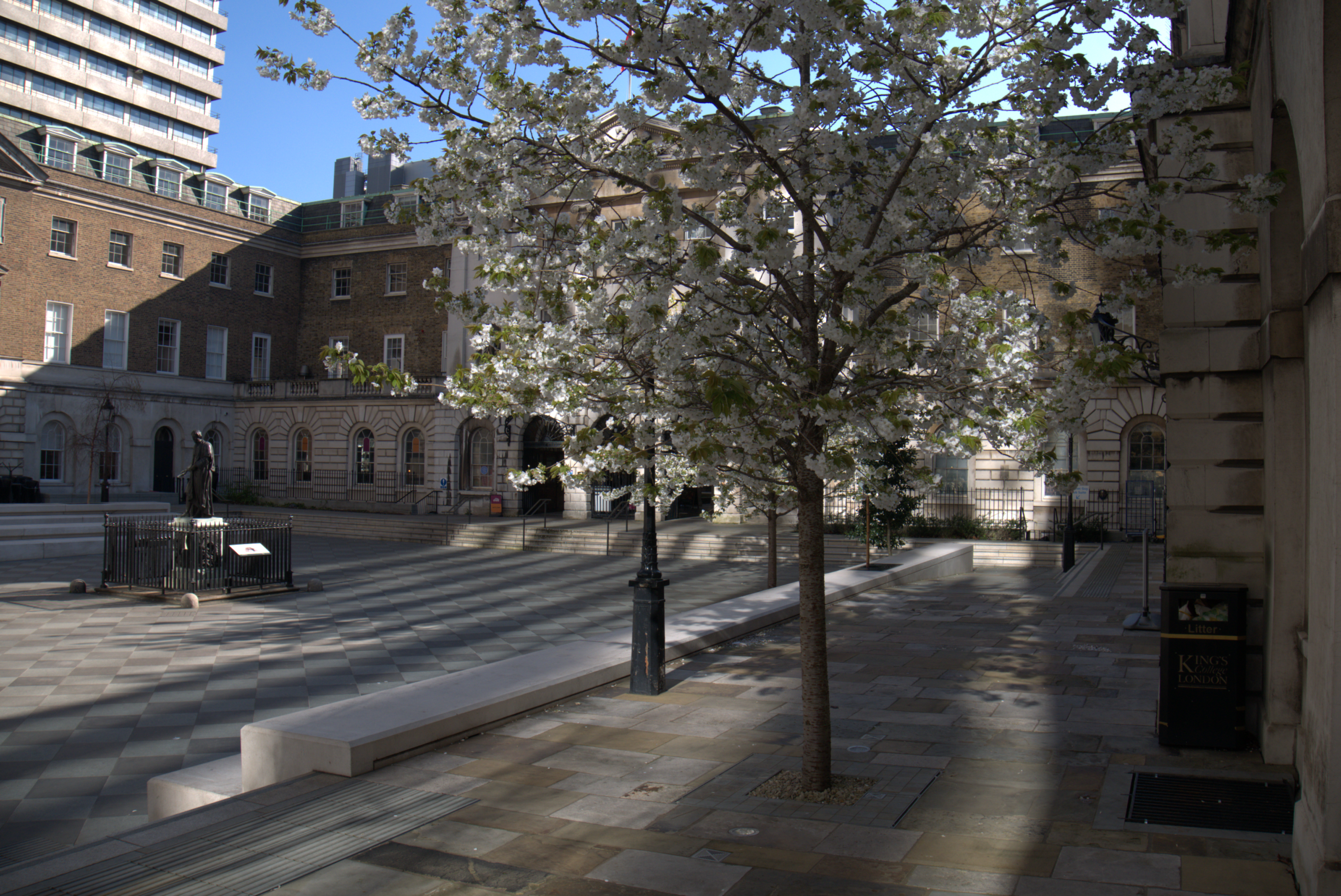
Effort, Without the Burden
Cherry blossom trees don’t require intensive maintenance to thrive, making them a practical choice for long-term planting schemes.
They adapt well to a wide range of soil types and conditions, even tolerating urban environments where pollution might challenge more delicate plantings. Once established, they require very little intervention, occasional light pruning (if desired), to shape their structure, but otherwise they can be left to grow naturally.
Of course, low maintenance and resilience depend on getting the conditions right from the outset. In built environments, that often means providing sufficient soil volume, effective drainage, and protection for root development beneath hard surfaces, using soil cells like RootSpace. When supported by the right infrastructure, blossom trees can establish properly and deliver consistent performance year after year.
Cherry blossom trees may only bloom for a short time, but the trees themselves are reliable and resilient, returning each year without intensive maintenance. For planting schemes, that balance matters. Strong specification and thoughtful establishment set them up to perform consistently over time.
Lasting Impact Beyond Bloom
Once in place, they provide structure, seasonal interest, and a clear sense of change within the built environment. Over time, that consistency becomes part of how a place functions and feels, supporting both visual quality and everyday use.
Blossom trees offer a straightforward way to introduce seasonal variation and long-term value into a scheme. Their impact builds year after year, contributing to places that feel established, considered and well-used.
When thoughtfully specified and properly supported, blossom trees offer a reliable way to bring seasonal change, character, and long-term value into the built environment. Their impact may be most visible in spring, but their contribution to a place continues well beyond the moment of bloom.
