



Why Water, Soil and Landscape Must Shape Future Development

What stood out at UKREiiF 2026, across a range of sessions and conversations, was how often different speakers and disciplines were circling the same ground. Water, resilience, public realm and stewardship surfaced repeatedly across conversations that had little else in common, and increasingly they were being discussed not as separate considerations to be resolved by […]
Raingardens That Perform
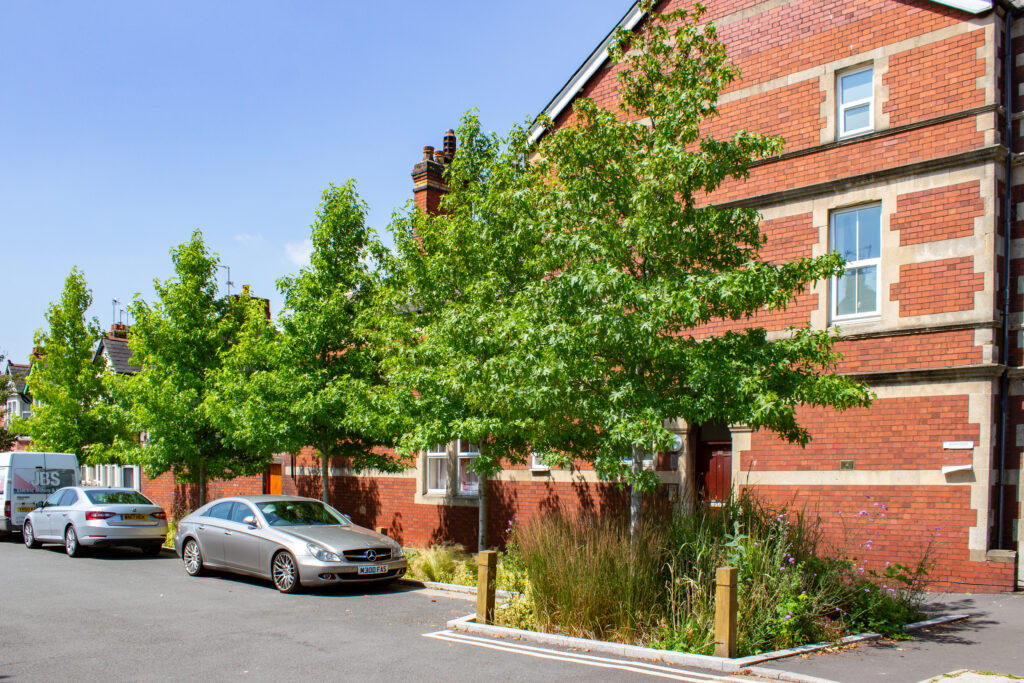
Raingardens are designed to manage rainfall where it lands. Instead of sending water straight into underground pipes, they slow, store and treat runoff at the surface, reducing pressure on drainage networks while improving water quality and enhancing the spaces around them. When designed properly, raingardens become more than a landscape feature. They are dependable infrastructure, working every day […]
Creating Moments to Pause with Spring Blossoms
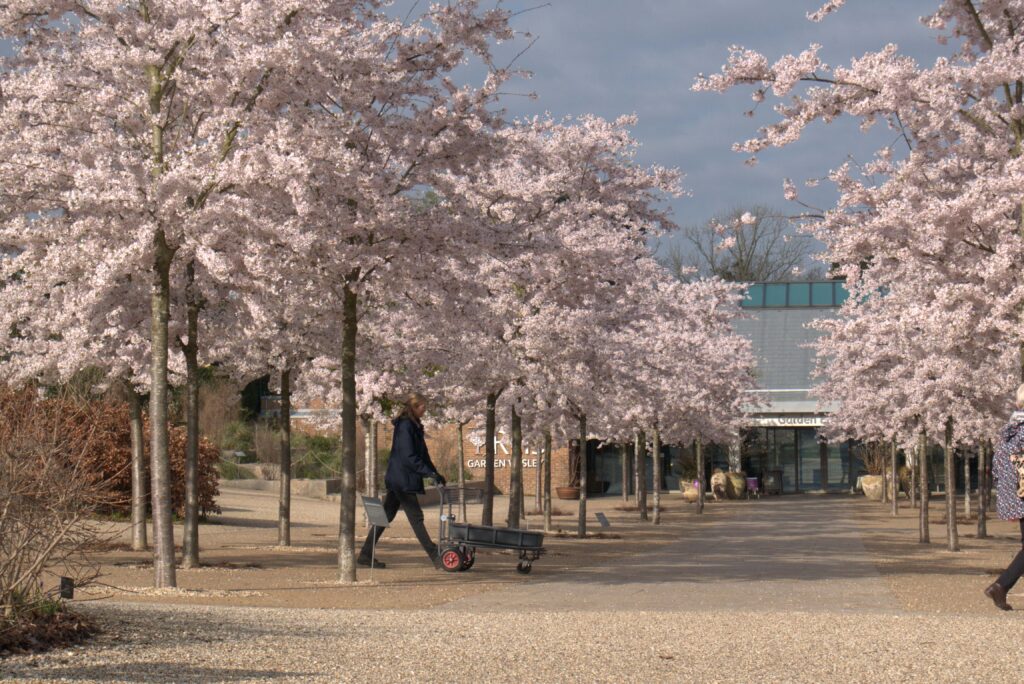
Planting a tree is often framed as an act of optimism, a gesture toward a greener, more hopeful future. But with blossom trees, the thinking starts earlier: choosing the right tree, the right place, and understanding what it will bring to a space over time. In urban environments, that early thinking is critical. Space is […]
The Three Keys to Successful SuDS Implementation

Sustainable Drainage Systems (SuDS) are most effective when they are treated as a core part of urban design rather than a technical exercise that sits at the edge of a project. Too often, surface water is addressed late in the process, once layouts are fixed and space is limited. At that point, options narrow and […]
Nature-based SuDS should be the default. What’s holding them back?
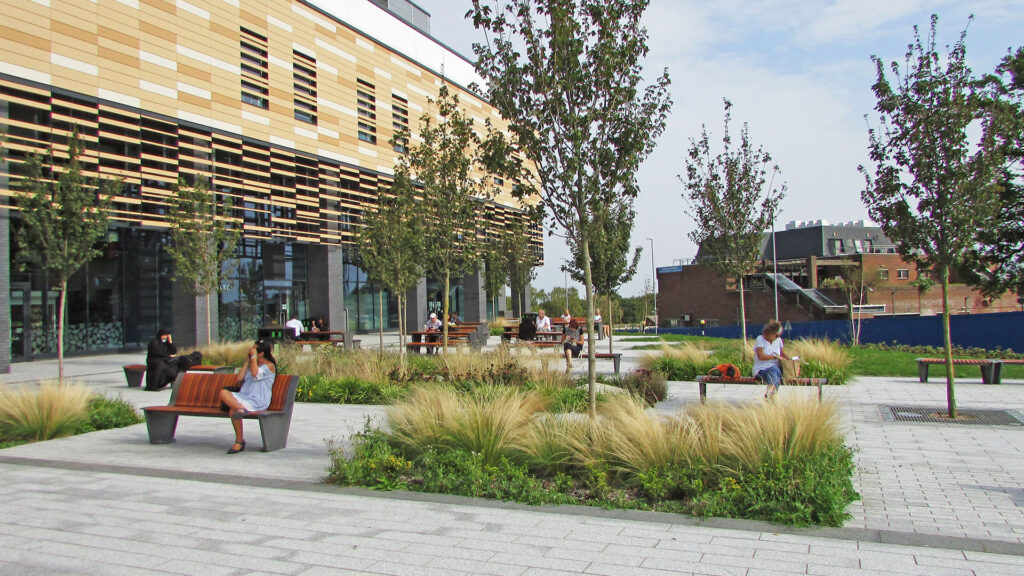
For more than a decade, the UK has broadly agreed on the direction of travel for surface water management. Policy documents reference it. Guidance supports it. Demonstration projects prove it. Designers increasingly understand how to deliver it. And yet, across much of England, nature-based Sustainable Drainage Systems (SuDS) are still often delivered through planning negotiation […]
Planting Is Easy. Keeping Trees Alive Is the Work.
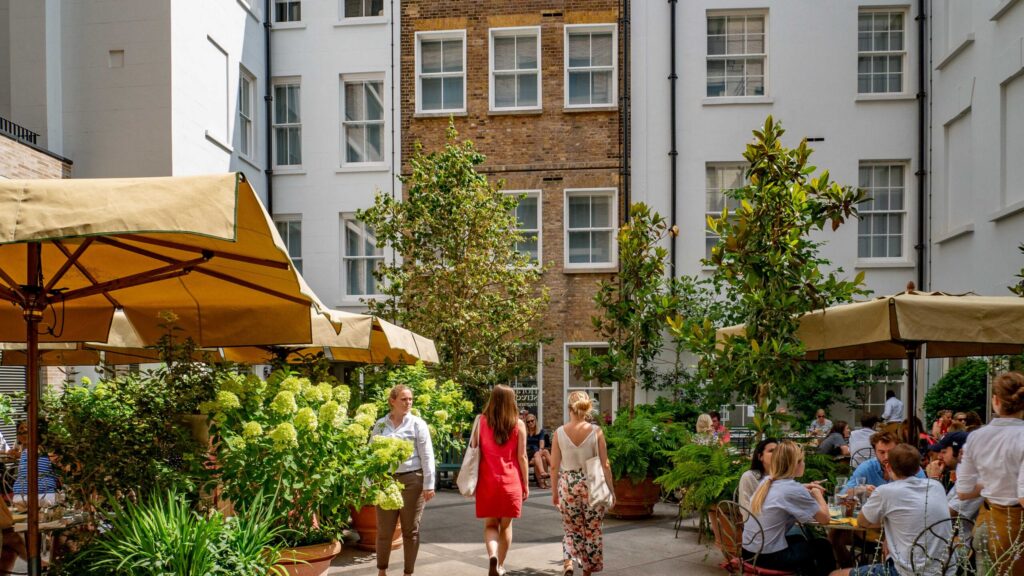
One of the biggest challenges facing the urban greening industry today is how we respond effectively to the accelerating climate crisis. More importantly, it’s how we align as a sector to support an integrated approach, one that considers both mitigation and adaptation to reduce emissions, manage stormwater, address the urban heat island effect and ultimately […]
Building Urban Drainage Resilience Through Distributed Solutions
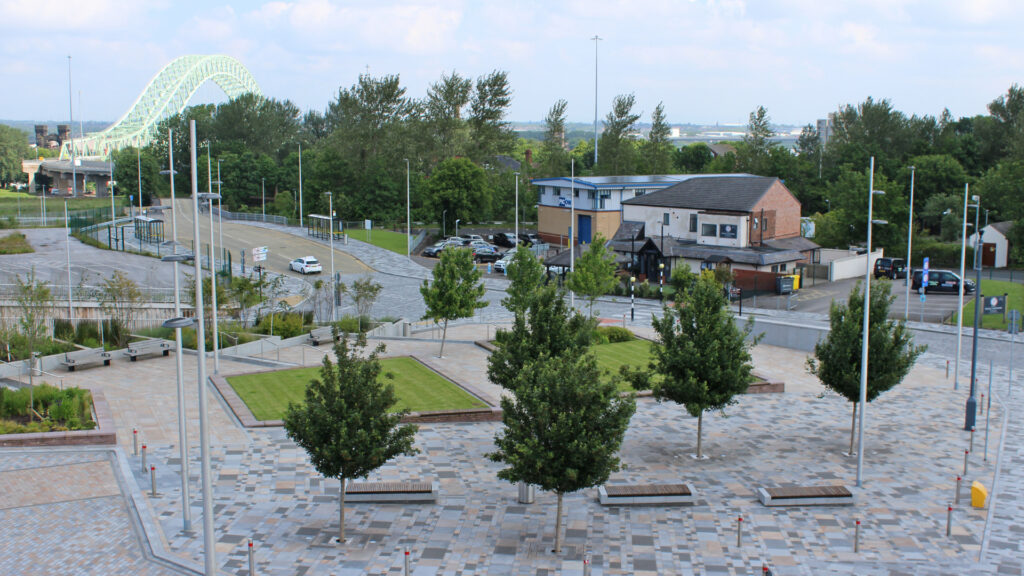
Our existing urban drainage systems are being asked to do far more than they were ever designed for. Denser development, hard landscaping, population growth and increasingly intense rainfall are combining to expose a fundamental weakness in traditional sewer networks. The symptoms are now familiar: surface water flooding that appears without warning, wastewater assets pushed beyond […]
Root Girdling and Why Context Matters
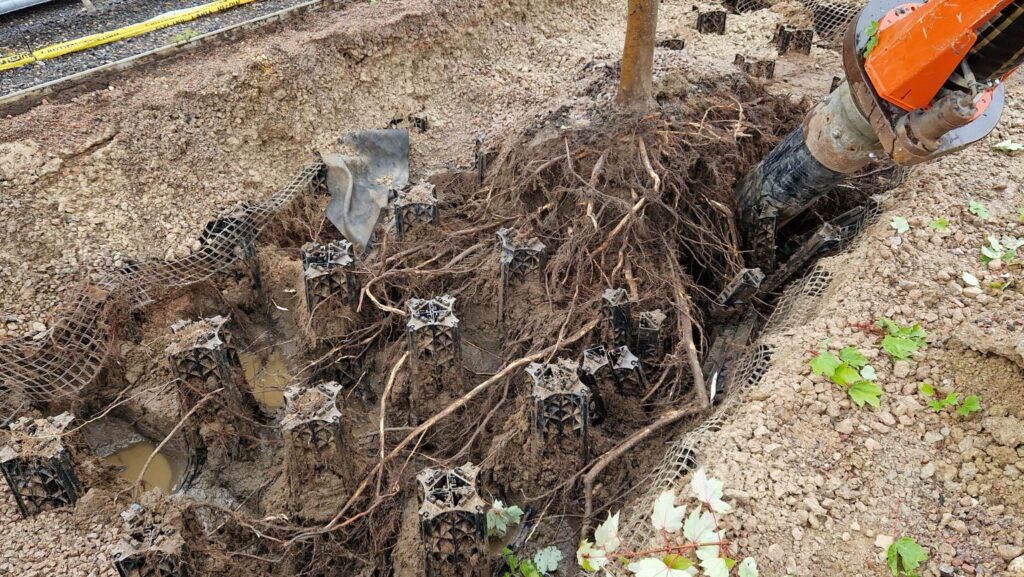
When the phrase root girdling appears in a specification meeting or planning discussion, it tends to stop the conversation cold. The challenge is that the term is often used loosely – sometimes to describe any visible change in root direction or diameter – when, biologically, true girdling is a very specific (and thankfully fairly uncommon) […]
Urban Trees Are Not Just for Christmas
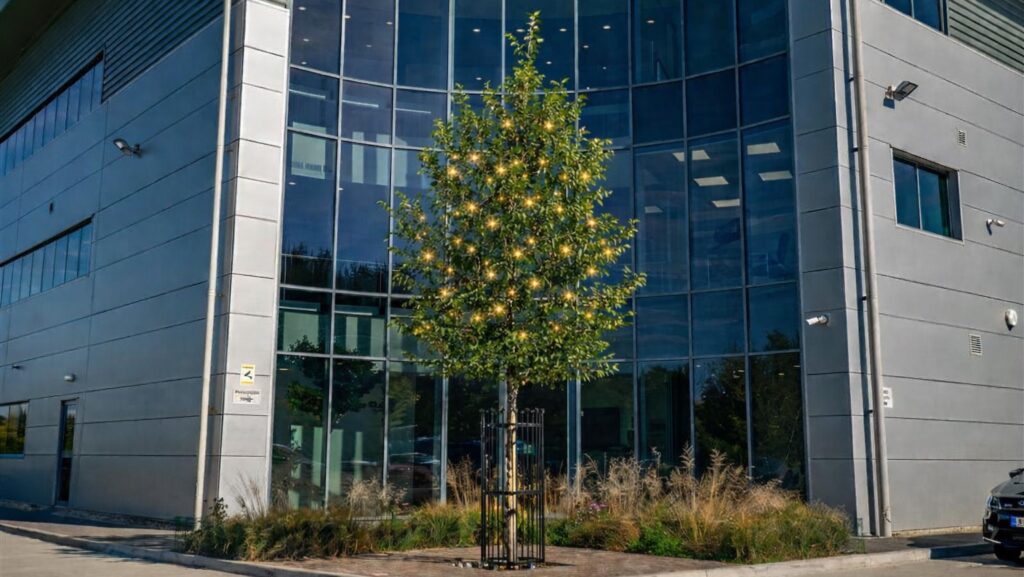
Each winter, towns and cities adopt a more festive character. Streets are illuminated, markets appear, and in many public squares a temporary Christmas tree becomes the focal point for seasonal gatherings. These installations bring warmth and atmosphere, but by early January they are dismantled and the space returns to a familiar hard, grey condition. This […]
The Critical Role of Interlocking Soil Cells in Urban Tree Infrastructure

Designing urban landscapes that successfully support both healthy tree growth and the structural needs of pavements, pathways, and vehicle areas is a complex engineering challenge. Beneath the surface, the soil cell system plays an essential role in meeting these demands. Its ability to bear static loads, resist lateral forces and preserve large volumes of uncompacted […]
Proven Science Still Matters for Urban Tree Soil Systems
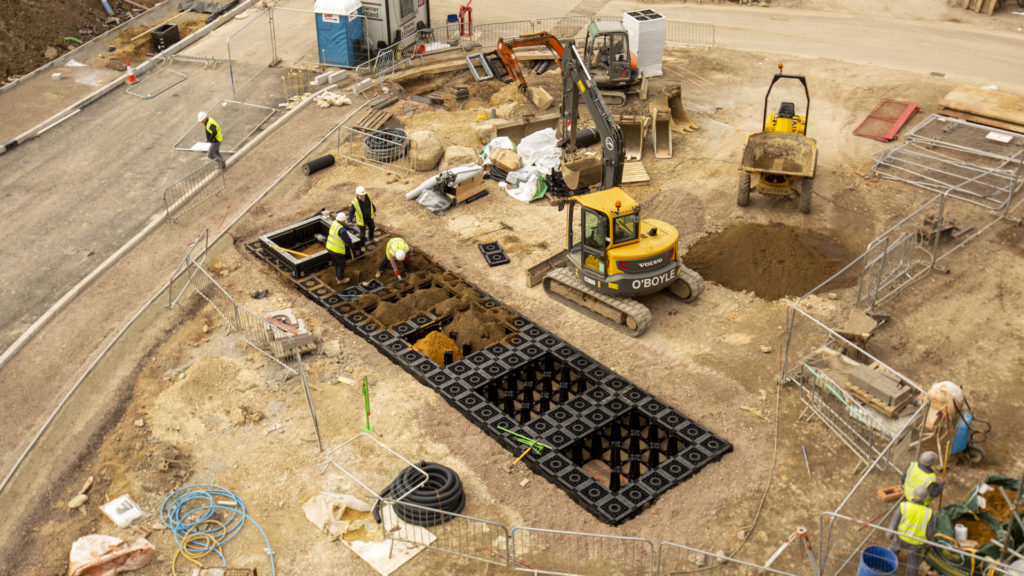
As cities continue to expand and the drive for greener, more liveable environments grows, the importance of healthy urban trees has never been clearer. Yet, for all the investment in tree planting schemes, long-term success rates vary dramatically. Some schemes thrive for decades, while others fail within a few years. What often separates success from […]
Building Climate Resilience into our Street Trees
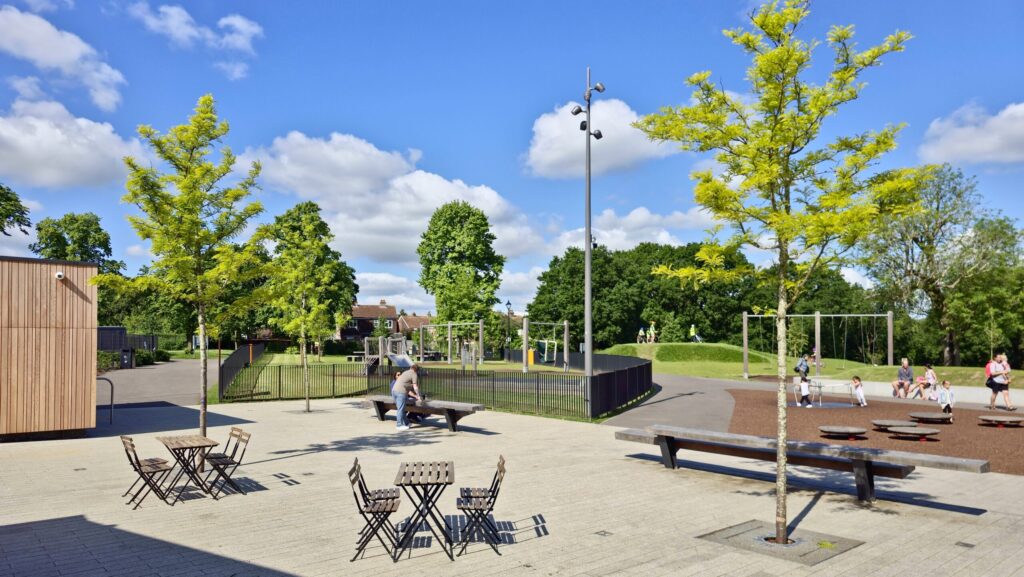
It may feel counter-intuitive to discuss heat stress as the nights are starting to turn colder, but the climate change data is unambiguous: hotter, drier summers and shorter, more intense downpours are here to stay. With this in mind, Forestry England recently released a new ‘species for the future’ list of trees most likely to […]
Thoughtful Design Means Trees Thrive Near Utilities
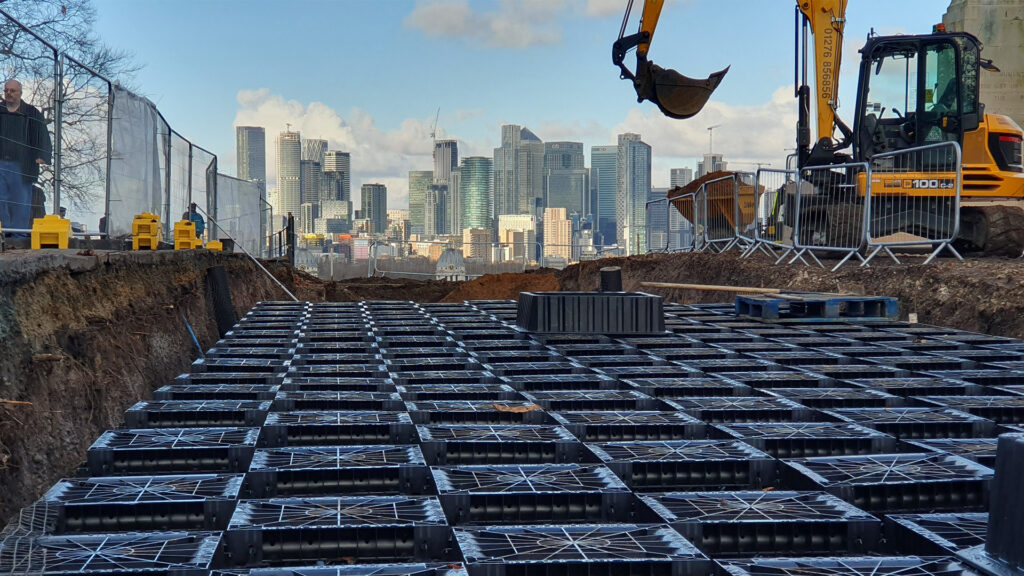
Urban environments are complex spaces where every inch serves a purpose, yet greenery remains essential. Trees do more than beautify streets; they improve air quality, reduce urban heat, stabilise soil, intercept rainfall and create habitats for urban wildlife. Beyond environmental benefits, trees enhance social well-being, offering shade, encouraging outdoor activity, and improving mental health. Economically, […]
Why Roots Decide the Success of your Next Tree Scheme
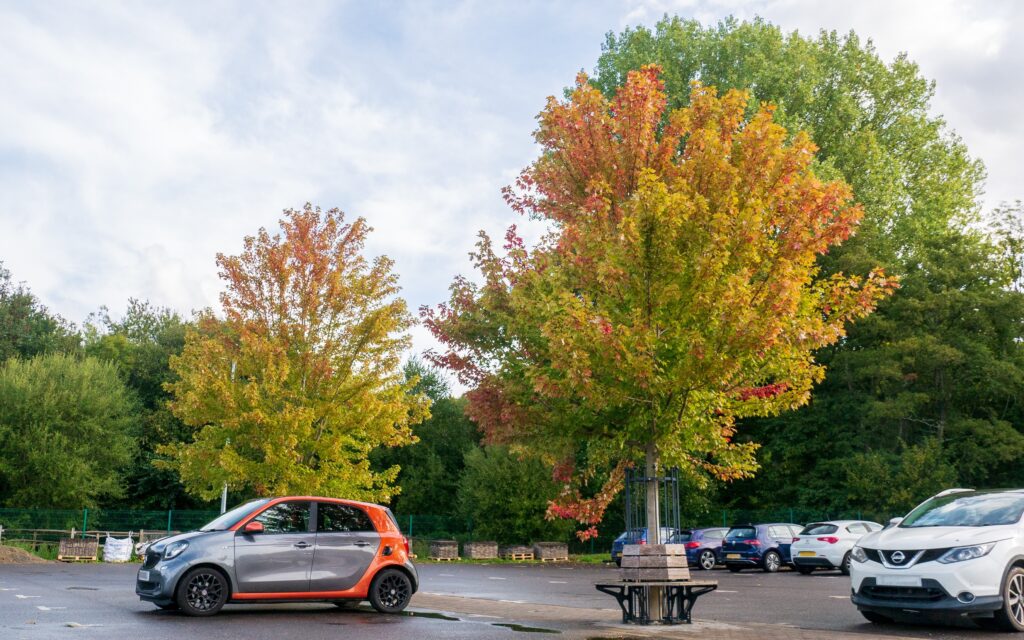
Most urban trees fail not because of poor species choice, but because their roots are starved of space and soil. The result? Shrinking canopies, failed specs, and wasted investment. Autumn is a reminder: while leaves fade, roots keep working. But in hard landscapes, compacted soil and limited rooting volume can cut life expectancy from decades […]
Healthy Soil Systems in Tree Pits Are the Foundation of Climate-Resilience
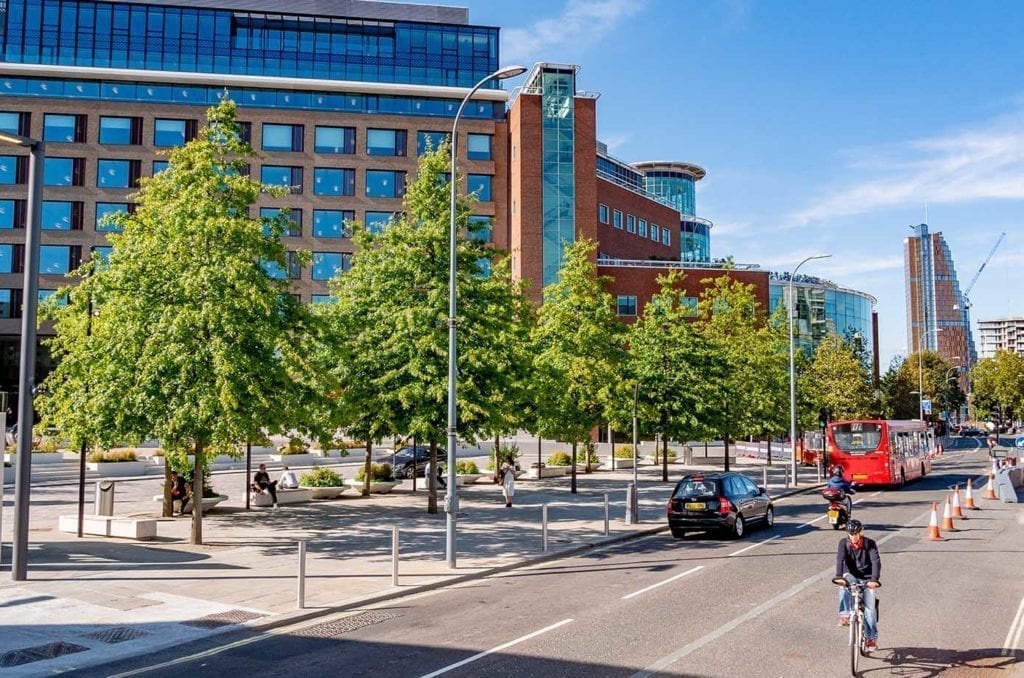
When we think about the infrastructure that keeps cities running, we picture roads, drains, cables and pipes. Yet beneath our feet lies another form of infrastructure that is just as critical, though it often escapes attention: soil. In the context of urban environments, soil should be understood as an active, living system rather than simply […]
Drought today, deluge tomorrow – but there’s a solution for climate whiplash
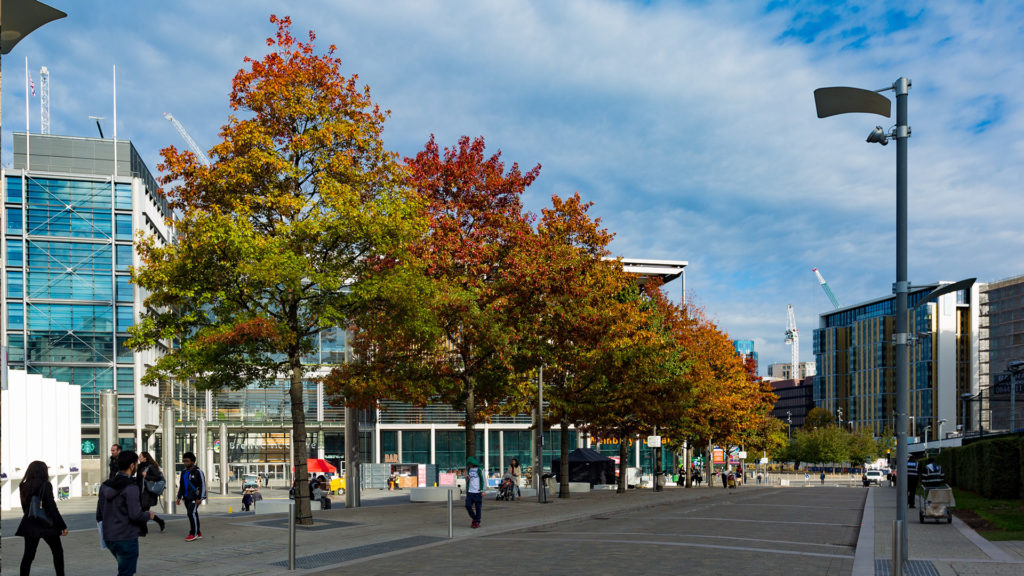
It wouldn’t be a British summer without a crop of news platform articles about how hot, cold, wet or dry it is. And there’s more to hit the headlines than in the past, too. Britain’s summer weather patterns – so long associated with rain that jokes about a Bank Holiday correlating with a certain downpour […]
Greener High Streets Can Grow Local Economies
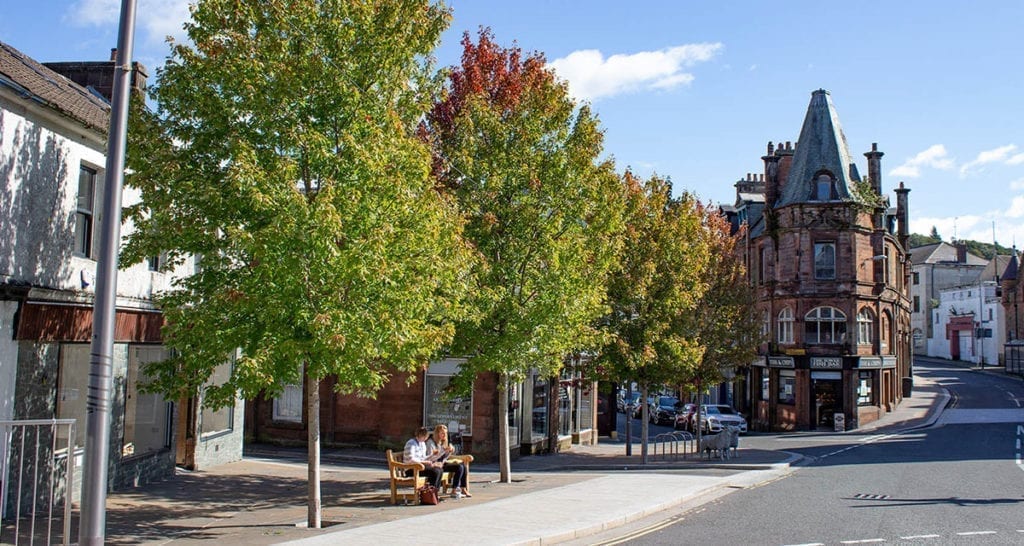
Across towns and cities in the UK, high streets find themselves at a crossroads. Traditionally, summer brings an uptick in visitors, yet recent figures from the British Retail Consortium highlight just how tough the current landscape has become. In July 2025, total UK footfall slipped 0.4% compared with the same month last year, with high […]
Shaping Safe Streets with Urban Trees
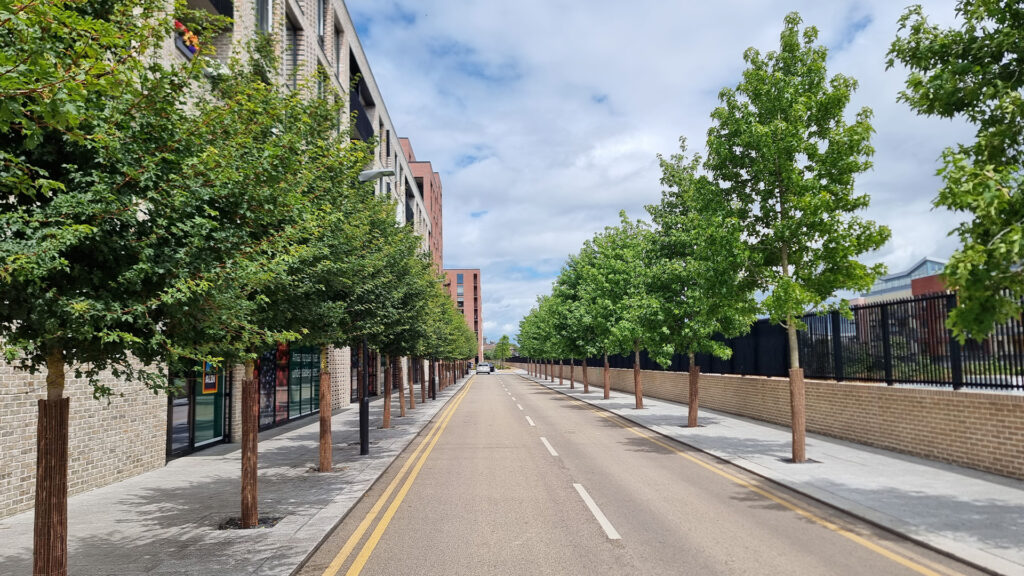
Cities in the UK are changing. New developments are expected to serve multiple functions, from moving people efficiently, to offering access to nature and keeping communities safe from both crime and climate-related risks. As this shift continues, there is growing recognition that trees are essential to how we build safer places to live and work. […]
Balancing the Urban Equation Through Green Infrastructure
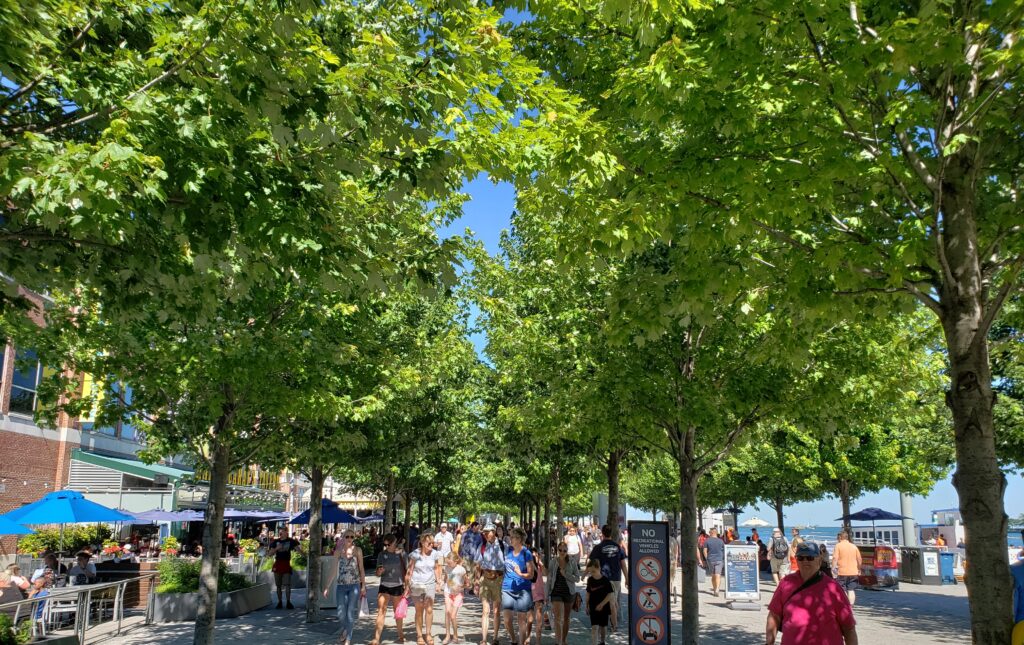
In an era of rapid urbanisation and climate change, how we allocate our limited land resources has never been more critical. The concept of land budgets offers a systematic approach to ensure land is used efficiently and equitably, balancing development needs with environmental preservation. This challenge has gained renewed urgency as planners and policymakers increasingly […]
New national SuDS standards are transforming development for a more resilient future
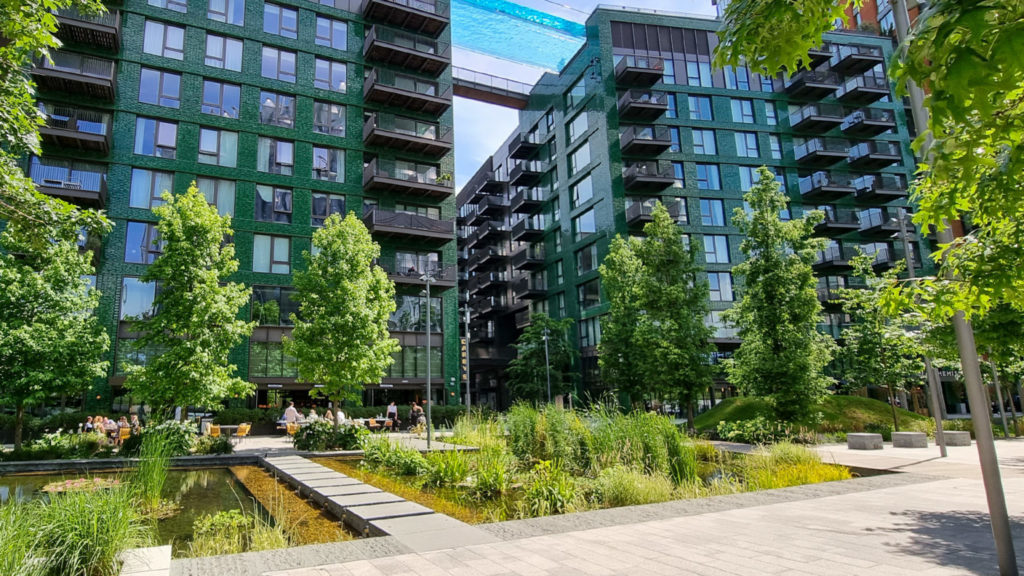
The introduction of new national standards for Sustainable Drainage Systems (SuDS) marks a significant step forward in the way water management is addressed in urban development. This regulatory update reinforces the growing consensus among industry professionals that effective drainage solutions must work with natural processes, not against them. In the UK, Sustainable Drainage Systems (SuDS) […]
How Felixstowe Delivered Successful SuDS Through Cross-Agency Collaboration
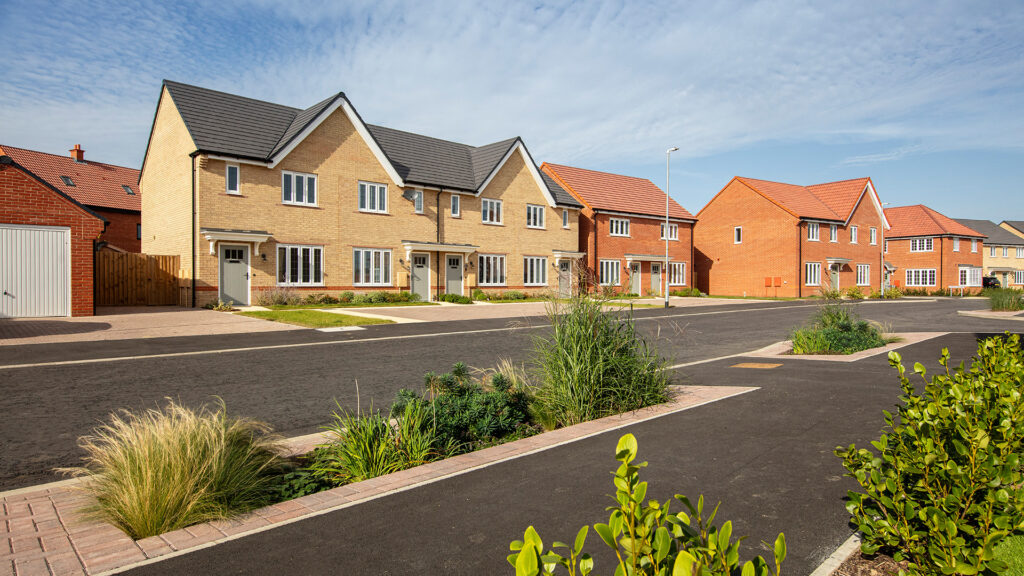
Bloor Homes’ residential development in Felixstowe, Suffolk provides a practical example of implementing Sustainable Urban Drainage Systems (SuDS) within the constraints of modern UK housing projects. The development occurred during a period of regulatory transition, requiring navigation of new environmental requirements while managing the realities of urban site limitations. The project demonstrates the practical challenges […]
Tree Pits and Raingardens are Transforming Climate-Resilient Urban Design
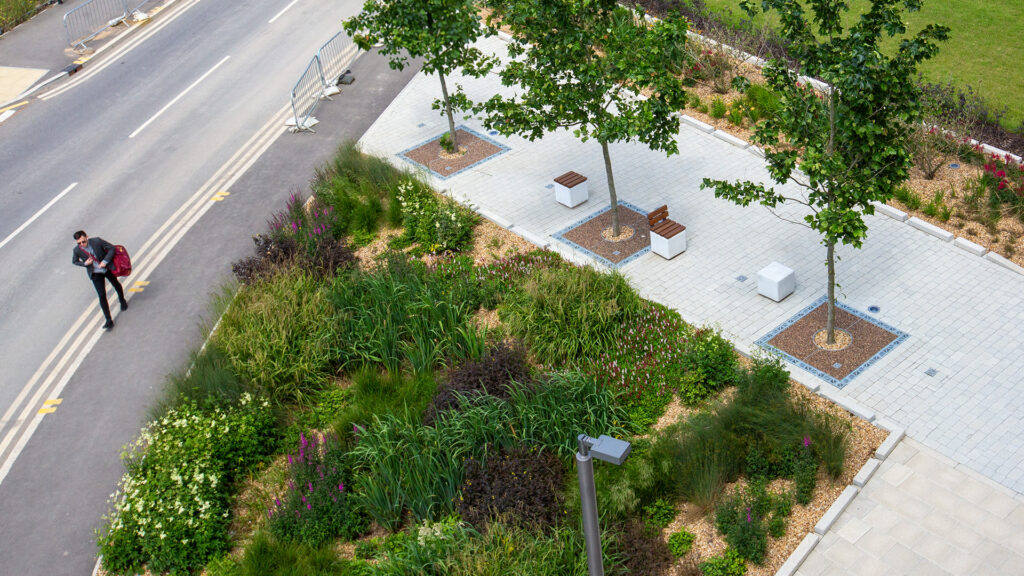
Urban communities across the UK are experiencing more frequent and intense flooding events that challenge the capacity of conventional drainage networks. As weather patterns evolve, and rainfall becomes more unpredictable, traditional infrastructure approaches are reaching their operational limits. This changing landscape presents an opportunity to rethink how we manage stormwater in our towns and cities, […]
The Placemaking Power of Urban Greening
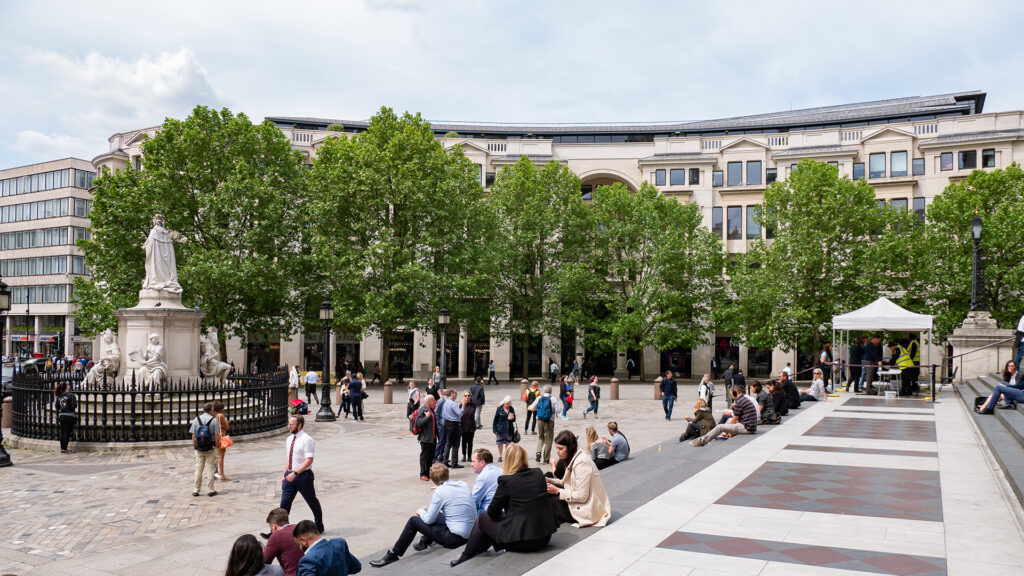
Placemaking is the collaborative process of shaping public spaces to maximise shared value and strengthen the connection between people and the places they share. At its centre, it’s about transforming urban spaces into vibrant community places that people are drawn to visit, linger in, and care about. In our cities and towns, one of the […]
Greening the Gap: The Challenges of Implementing Green Infrastructure for Local Authorities
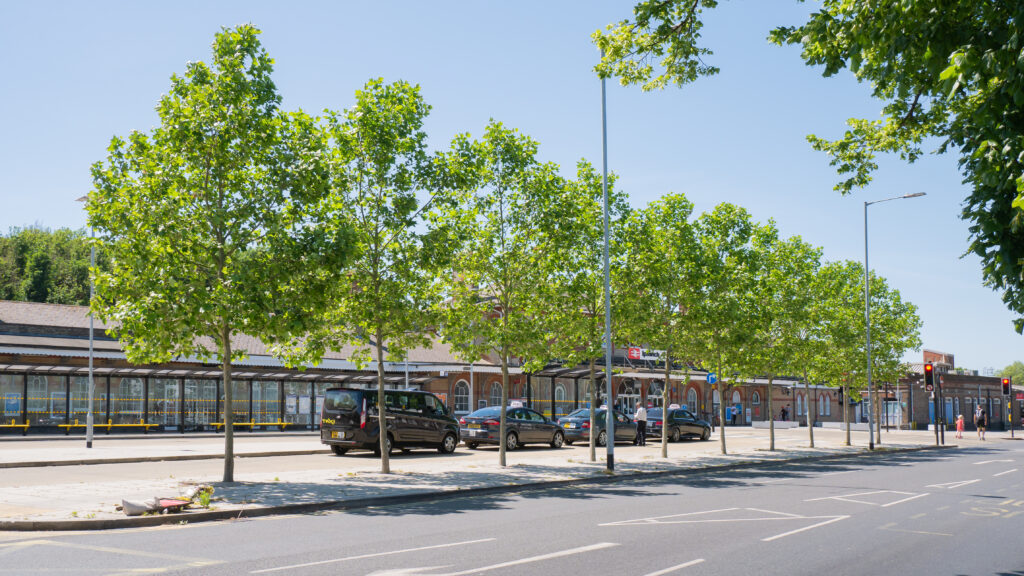
Local authorities across the UK are increasingly recognising the vital importance of green infrastructure in creating resilient, liveable towns and cities. More councils are now also making green solutions a necessity in their design guides. However, transforming this policy ambition into practical reality presents significant challenges. Balancing rapid urban development with environmental protection creates difficult […]
Rethinking Risk, Responsibility and Design in Urban Green Infrastructure
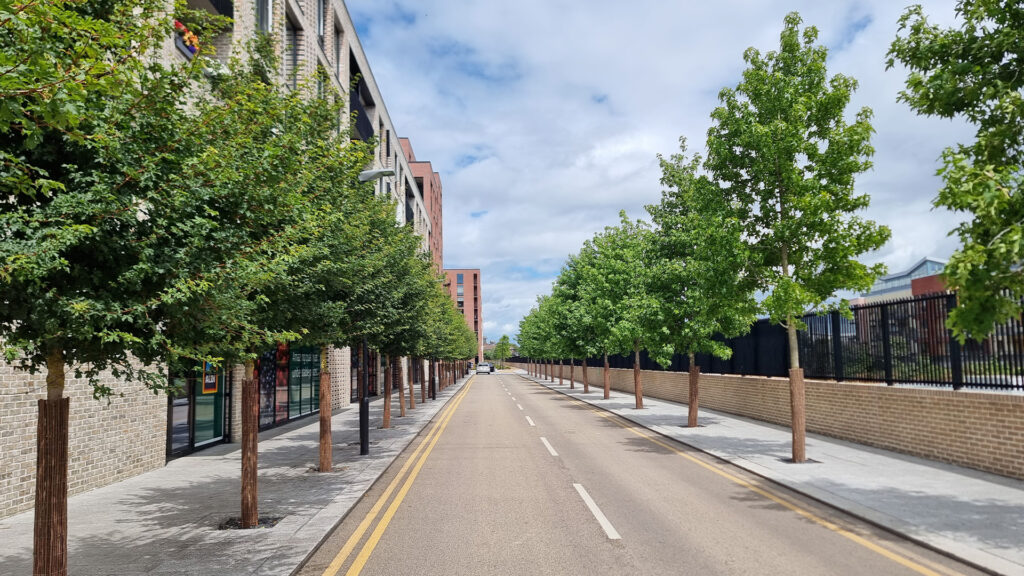
Urban trees are widely acknowledged as difference-making infrastructure; vital for climate resilience, biodiversity, public wellbeing and placemaking, and also potentially a useful element in expediating a smoother planning process. Yet their inclusion in new developments still remains fraught. Despite mounting evidence of their ecological and social value, trees – in particular those located in or […]
